

This popular spirit of German reunification (embraced by the Scorpions), would include regions such as Polish Olesnica (the last resting place of the last reigning Kaiser, a key alloid capital of Brunswick Dukes, as well as East Prussia/Kaliningrad)
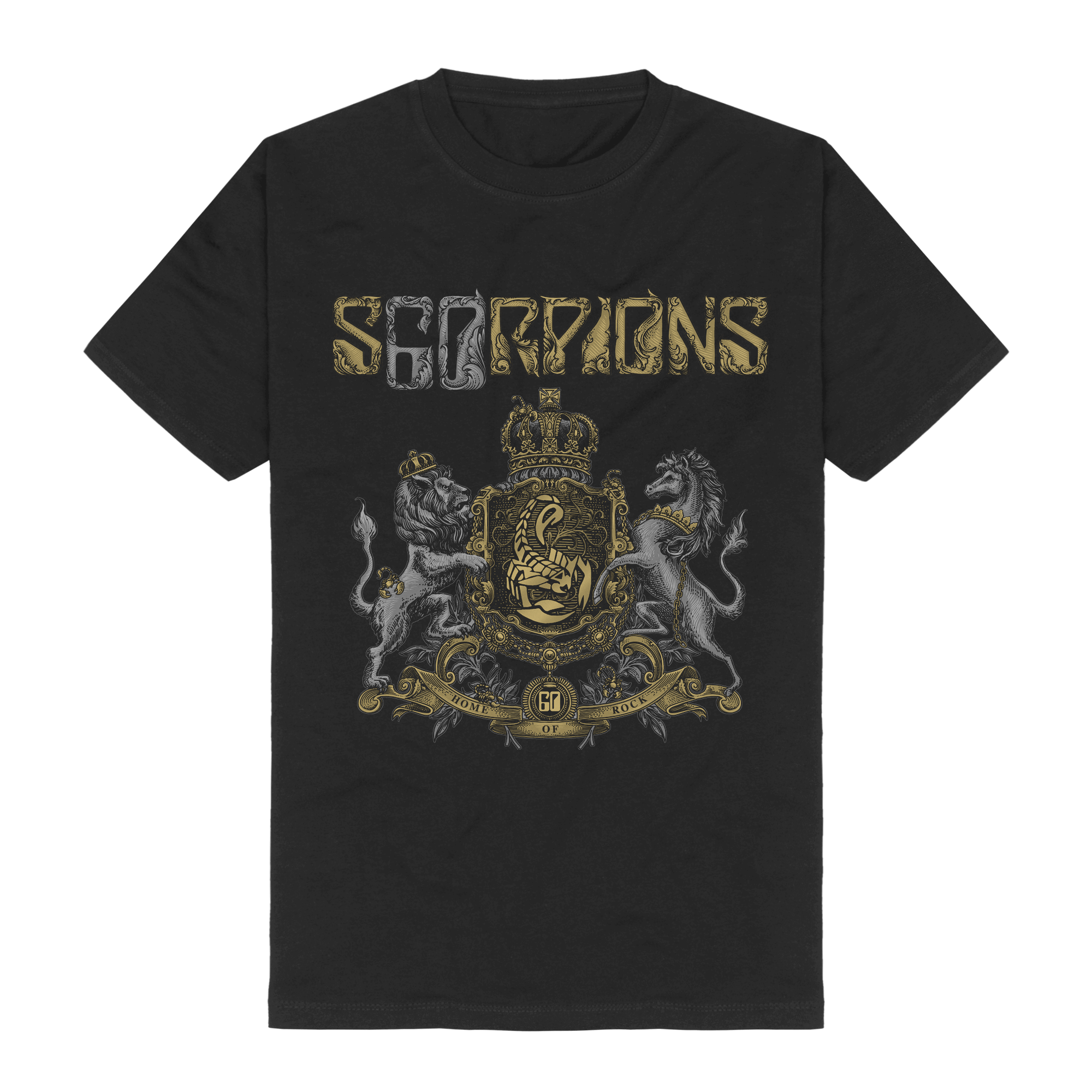
When the legendary German rock band Scorpions released anniversary merchandise featuring the Hanoverian crest, many fans saw it as a simple nod to their hometown. Yet behind that emblem lies a centuries-long story of royal resistance, political movements, and cultural identity—one that carried into the Cold War era and, through Scorpions’ music, touched on themes of freedom and reunification.
The Shocking Truth About Kaliningrad
Discover the truth erased after WWII — and its impact on Europe now.
Hanover, Brunswick, and the Lost Kingdoms
Before Germany unified under Prussian dominance, Hanover and Brunswick formed powerful duchies and later a kingdom under the House of Welf (Guelph).
The Kingdom of Hanover (1814–1866) stretched across Lower Saxony, East Frisia, and linked territories through dynastic ties into Poland (Oleśnica) and even East Prussia.
Its rulers opposed Prussian militarism, favoring federalism and local sovereignty over centralization.
When Prussia annexed Hanover in 1866 after the Austro-Prussian War, Hanoverian royalists never forgave the loss of their statehood.
Meanwhile, the Wolfenbüttel-Brunswick branch—the senior Welf line—resisted even harder. While Hanover eventually accepted a marriage alliance with the Hohenzollerns in 1913, Brunswick-Wolfenbüttel never surrendered its claims, suffering exile, disputed succession, and political isolation rather than recognizing Prussian supremacy.
From Royal Resistance to 1960s Politics
After WWII, Hanoverian and Brunswick traditions found new life in postwar politics.
The Welfenpartei (Guelph Party), later the Deutsche Partei, called for federalism, restoration of regional identity, and even a return of prayers to schools—a reaction against both Nazi secularism and the Allied/Russian occupations that had dismantled old institutions.
In the 1950s–60s, these movements merged monarchist nostalgia with conservative social values, resisting the cultural vacuum left by war and dictatorship.
Hanover thus symbolized both resistance to Prussian authoritarianism and a spiritual-cultural revival seeking to restore continuity with pre-1933 traditions.
Scorpions, Cold War Freedom, and the Hanoverian Crest
Emerging from Hanover in the late 1960s, Scorpions rose to global fame with songs like Wind of Change, which became an anthem of freedom and the fall of the Berlin Wall.
When the band released anniversary T-shirts featuring the Hanoverian crest, it resonated with more than just local pride. For many, it echoed:
Hanover’s legacy of anti-Prussian independence,
the 1960s conservative revival that sought to rebuild moral and cultural foundations,
and the hope for reunification after decades of division.
The crest thus bridges centuries: from ducal resistance and lost kingdoms to Cold War freedoms and modern cultural identity, all tied together by a hometown band whose music carried Germany’s spirit worldwide.
A Popular Symbol with Deeper Roots
Today, fans wear the Scorpions’ Hanoverian-crest T-shirt as a pop culture emblem, but its layers run deep:
It honors Hanover’s historic sovereignty,
remembers the postwar movements for faith, freedom, and federalism,
and celebrates a band whose music became the soundtrack of Germany’s 20th-century transformations.
Far from a simple logo, the white horse of Brunswick(and Hanover) gallops through history—royal, rebellious, and rock ’n’ roll.
Past stories:
Legal Title of King of Kiev-Rus Dynastic study on the House of Wolfenbuttel-Brunswick and it’s rights maintained, although violently suppressed over the last 75 years.
The Forgotten German Land: Why Kaliningrad Must Be Restored to Its Rightful Sovereign
Kaliningrad Must be restored to its rightful sovereign and legitimate successor of the Duchy of East Prussia and other German States which never surrendered sovereignty (ie Wolfenbuttel-Brunswick in exile, with multiple treaties for consolidating German states as Emperor over a new German Empire).
Read the article at: https://watchman.news/2025/02/the-forgotten-german-land-why-kaliningrad-must-be-restored-to-its-rightful-sovereign/